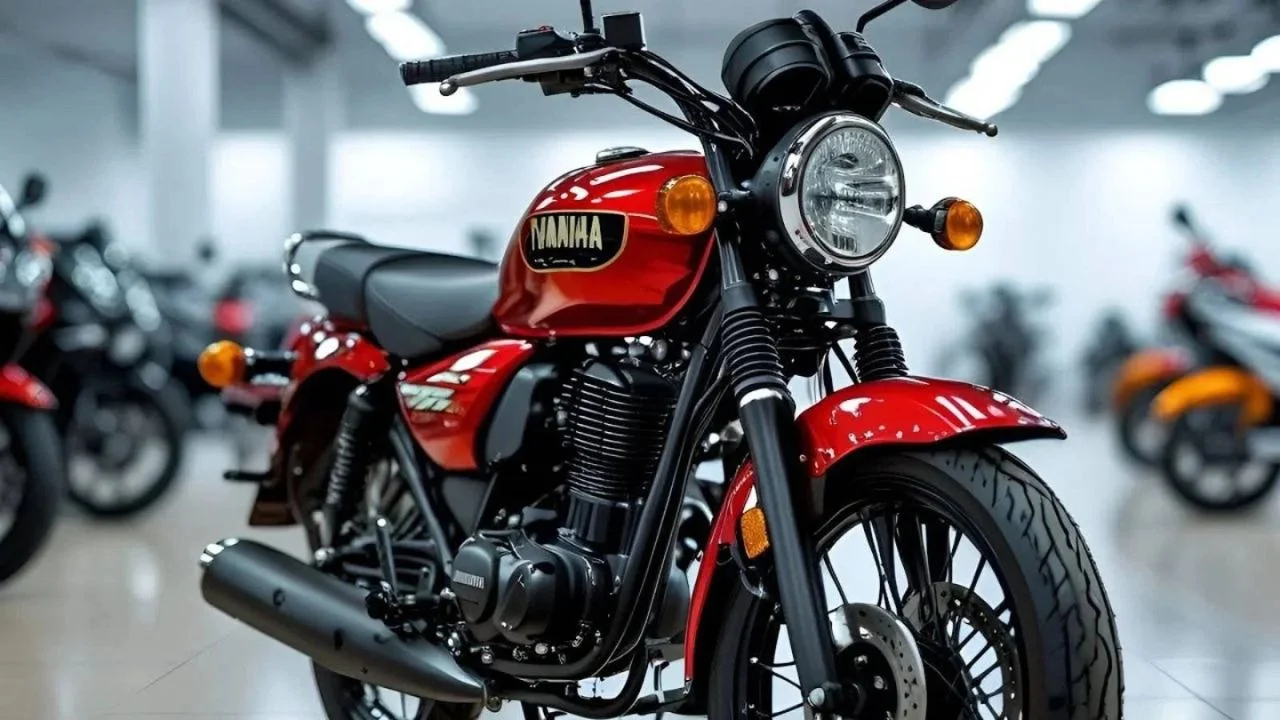
The Yamaha RX100 is not just a motorcycle – it’s an icon, an emotion, and a piece of India’s motorcycling history. Ask any rider from the 80s or 90s about their first love on two wheels, and chances are they’ll proudly say “RX100.” With its raw power, lightweight body, and unique exhaust note, the bike redefined how Indians looked at motorcycles. Even decades after being discontinued, the RX100 continues to enjoy cult status, adored by bikers, collectors, and enthusiasts.
In this article, we’ll look at what made the Yamaha RX100 a timeless legend, its features, riding experience, and why it still holds a special place in Indian hearts.
Yamaha RX100 Key Specifications
| Feature | Details |
|---|---|
| Engine | 98cc, 2-stroke, air-cooled |
| Power | ~11 HP |
| Gearbox | 4-speed manual |
| Weight | ~100 kg |
| Top Speed | ~100 km/h |
| Mileage | 25–30 km/l (real-world) |
| Suspension | Telescopic forks (front), swingarm (rear) |
| Brakes | Drum (front and rear) |
| Production Years | 1985 – 1996 |
| Legacy | Cult status for speed, sound & style |
The Arrival of a Revolution
When Yamaha launched the RX100 in 1985, it instantly turned heads. At a time when most motorcycles were slow, bulky, and built only for mileage, the RX100 brought something different – speed, style, and adrenaline.

Its 98cc two-stroke engine produced around 11 hp and gave a top speed close to 100 km/h. Young riders loved it because it wasn’t just a commuter – it had personality and attitude. Owning an RX100 in those days was like wearing a badge of honour.
What Made the RX100 Special
The RX100 stood out for its instant acceleration, quick throttle response, and that unforgettable exhaust sound. The famous “ting-ting-ting” note of its two-stroke engine could be recognised from far away.
Its design was simple yet stylish – a round headlamp, slim fuel tank, chrome fenders, and minimal bodywork. This clean, timeless design still turns heads today whenever an RX100 passes by.

Performance That Changed the Game
Back in the 80s, most Indian bikes were all about efficiency. The RX100 changed the rules. It could go from 0–60 km/h in under 7 seconds, something unheard of in the 100cc class.
Its slick 4-speed gearbox made shifting smooth and quick, while the lightweight frame added to its sporty feel. No wonder it became the dream bike for college students, racers, and young professionals alike.
Ride & Handling – Nimble and Fun
Weighing just about 100 kg, the RX100 felt agile and easy to control. It was perfect for weaving through traffic or enjoying highway rides.
- Telescopic forks in the front
- Twin shock absorbers at the rear
- Upright seating position for balance between comfort and control
Even today, enthusiasts restoring RX100s praise its lightweight and responsive handling, which makes it so engaging to ride.
Cult Status & Legacy
The RX100 was discontinued in 1996 due to stricter emission norms, but it never left Indian roads. Thousands of restored models still run today, often drawing more attention than modern bikes.
It became more than just transport – it was a symbol of freedom, rebellion, and youth. Many riders still remember their first thrilling ride on an RX100 as a life-changing experience.

Modding Culture & Racing Roots
Another reason behind the RX100’s legendary status is its mod-friendly nature. Mechanics could easily tune its two-stroke engine for more speed.
- Expansion chambers
- Modified carburetors
- Custom exhausts
With these changes, many RX100s could touch 120–130 km/h, shocking bigger bikes of the time. Even today, it remains a favourite in drag racing and custom bike builds.
Can You Still Own One Today?
Yes, but it’s not easy. Since production stopped nearly 30 years ago, finding a well-kept RX100 takes time and money.
- Restored models cost ₹70,000 – ₹1.5 lakh
- Rare colour options and original parts push prices even higher
- Spare parts are harder to find, though some aftermarket and imported options exist
Still, for die-hard enthusiasts, the effort is worth it. Owning an RX100 today is like owning a piece of motorcycling history.
Why the RX100 Still Lives On
Modern bikes may offer advanced tech like ABS, fuel injection, and digital displays, but the RX100’s magic lies elsewhere. It connects emotionally with riders, reminding them of a time when biking was pure, raw, and full of energy.
Every ride feels like stepping back into the golden age of Indian motorcycling. That’s why the Yamaha RX100 continues to inspire new riders and remains one of the most loved bikes in India.

FAQs on Yamaha RX100
Q1: Why was the Yamaha RX100 discontinued?
It was discontinued in 1996 because its two-stroke engine could not meet new emission norms.
Q2: What is the top speed of the RX100?
It could reach close to 100 km/h in stock condition, and modified versions could go even higher.
Q3: How much does a Yamaha RX100 cost today?
Depending on condition and originality, restored models cost between ₹70,000 – ₹1.5 lakh.
Q4: What was the mileage of the RX100?
In real-world riding, the RX100 delivered around 25–30 km/l.
Q5: Why is the RX100 so popular even today?
Because of its raw power, lightweight handling, iconic exhaust sound, and emotional connection with riders.
Final Thoughts
The Yamaha RX100 was not just a motorcycle, it was an era. It brought passion and speed to Indian roads at a time when bikes were all about mileage. With its timeless design, thrilling performance, and legendary exhaust note, it remains one of the most iconic motorcycles in Indian history.

Even though it’s been nearly three decades since production stopped, the RX100 continues to rule the hearts of bikers. For those lucky enough to own one, it’s not just a bike – it’s an emotion that never fades.